
Choosing the perfect tile for your bathroom floor is a crucial aspect of any bathroom renovation. The tiles you select not only set the tone for your bathroom’s aesthetic but also determine how well the floor will withstand constant moisture, heavy foot traffic, and the everyday demands of a wet environment. In wet areas such as bathrooms, it’s vital to choose bathroom floor tiling materials and finishes that last and offer safety.
In this comprehensive guide, you’ll learn what makes bathroom floor tiling unique, the best tile materials for bathrooms, essential factors like slip resistance and waterproofing, and professional tips for surface preparation and maintenance. Whether you’re a DIY enthusiast or planning to hire professional tile installers, knowing these crucial details will help you create a durable and beautiful bathroom floor.
Why Bathroom Floor Tiling Requires Special Considerations
Bathroom tiles are subject to conditions that other indoor tiles rarely face. Constant moisture exposure and high humidity levels challenge their performance. When tiling a bathroom floor, it’s essential to think about how these tiles will hold up against water and steam on a daily basis.
Another critical consideration is slip resistance. Wet bathroom floors can quickly become slippery, making safety a priority. The right tile surface finish and texture help prevent slips and falls in both family bathrooms and ensuite settings.
Not every type of floor tile suits bathroom environments. Some tiles are too smooth or porous and can absorb water, leading to damage, stains, and even mould growth on grout lines. Without waterproof qualities and the correct installation, cheaper tiles may not last through a wet area’s wear and tear.
A carefully chosen tile that meets wet area standards ensures your bathroom remains functional, safe, and attractive, giving you many years of trouble-free use.
Key Waterproof and Slip-Safe Features for Bathroom Floor Tiles
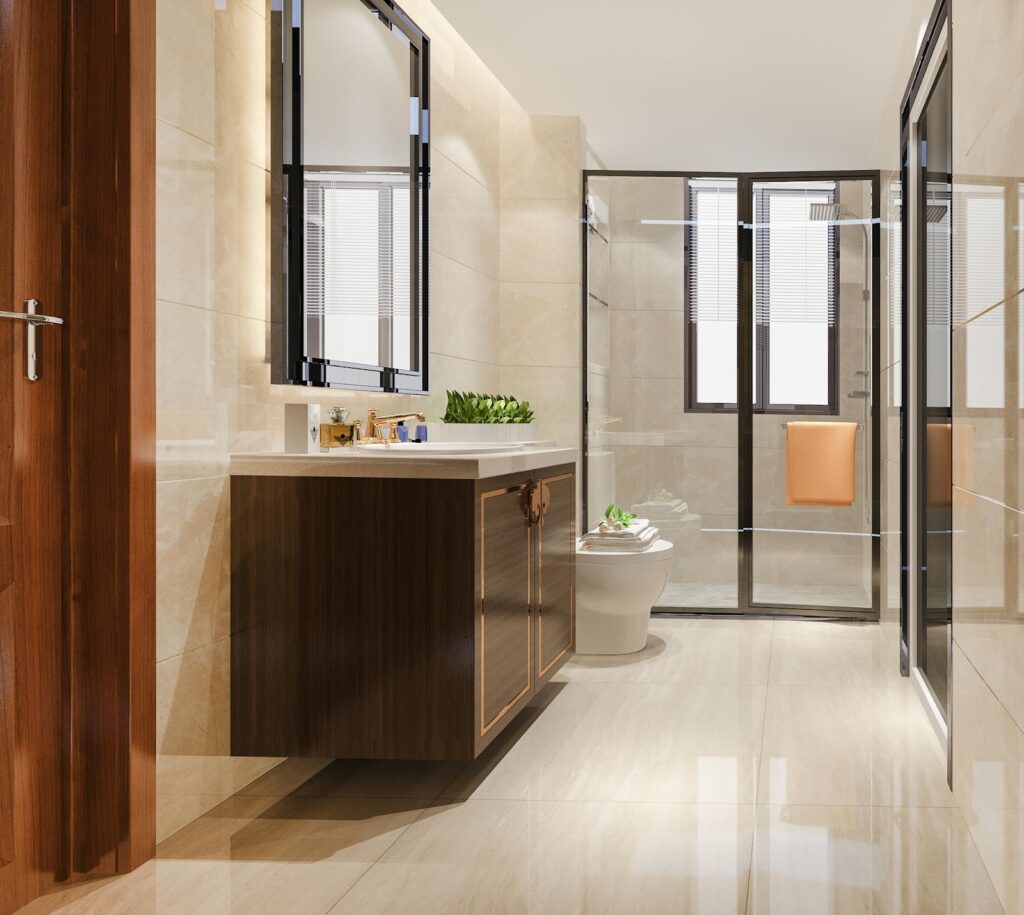
Waterproofing is a top priority when selecting and installing bathroom floor tiles. The best bathroom tiles offer natural water resistance, but a waterproof membrane underneath the tiles and proper sealing around edges and joints provide the final defence against water damage.
Slip rating standards help you choose bathroom floor tiles designed specifically for wet areas. Tiles rated R10 or higher are usually recommended for bathroom floors, providing grip even when wet, without sacrificing comfort.
The choice of grout also impacts water resistance. Waterproof grout types and careful grouting prevent water from seeping into the substrate, protecting your tiles and the structure beneath.
To create a truly waterproof and slip-safe bathroom floor, look for these features and products:
- Waterproof tiles or tiles with minimal porosity
- Slip-resistant surface textures or finishes
- High-quality grout with waterproof properties
- Professionally applied waterproof membranes beneath the floor tiles
Best Tile Materials to Use When You Tile a Bathroom Floor
Selecting the best tile materials for your bathroom floor will influence durability, aesthetics, and maintenance. Here are the most popular materials used in Sydney bathroom floor tiling:
- Porcelain Tile: Extremely dense and durable, porcelain tile is water-resistant and can withstand heavy foot traffic. Porcelain comes in a wide variety of finishes—from polished porcelain tile with a glossy finish to textured varieties suited for slip resistance. It is ideal for both bathroom floors and walls.
- Ceramic Tiles: Ceramic tiles are slightly softer than porcelain and generally less dense. While they are great for bathroom wall tiles and moderately used bathroom floors, proper sealing and maintenance are essential for longevity in wet areas.
- Natural Stone Tiles: Materials like travertine and other natural stone tiles provide a unique, luxurious look. These tiles are porous and require additional sealing to prevent staining and water damage. Textured natural stone tiles offer great slip resistance but need more care during maintenance.
Choosing floor tiles made with textured surfaces or matt finishes helps enhance grip and safety without compromising style in a family bathroom or ensuite. Your tile selection can also reflect your personal taste and the overall bathroom design, blending function and aesthetics seamlessly.
And if you’re wondering how much it would cost to tile your bathroom floor in Sydney, see this article on bathroom floor tiling cost.
Popular Design Trends for Bathroom Floor Tiling
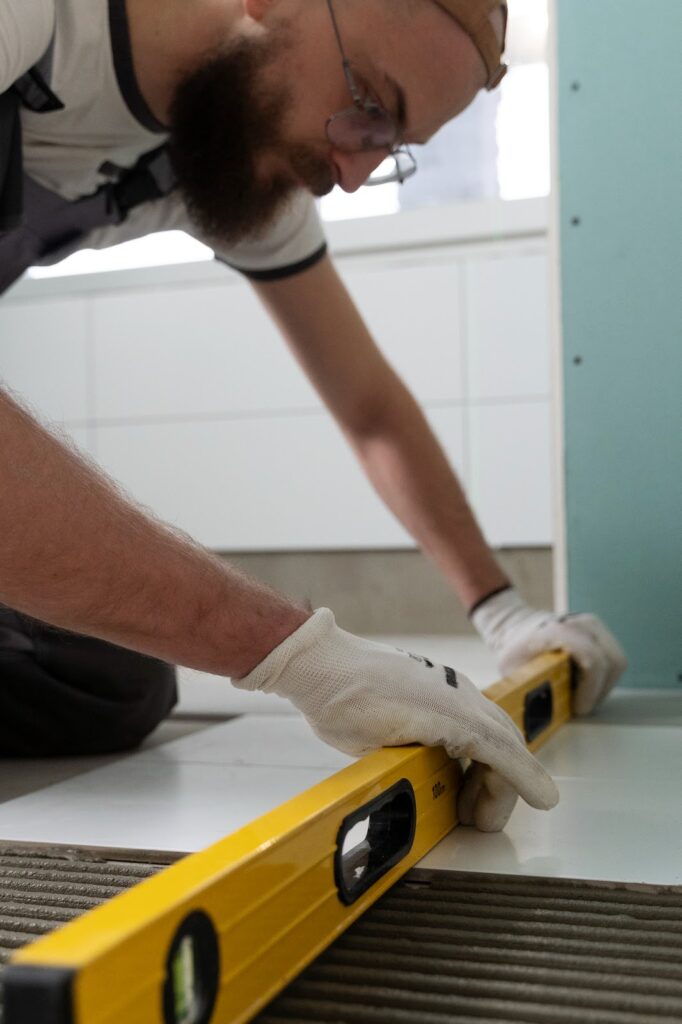
Modern bathroom floors can be both practical and visually stunning. Sydney homeowners are embracing creative design trends that mix tile shapes, finishes, and colours.
- Mixing Patterns and Colours: Combining mosaic tiles with larger porcelain or ceramic tiles creates contrast and adds interest. Feature walls or floors with striking patterns can set your bathroom apart.
- Large-Format Porcelain Tiles: These are a favourite for giving bathrooms an expansive, seamless look. They reduce grout lines and provide a sleek, modern appearance.
- Mosaic Tiles in Shower Zones: Smaller mosaic tiles offer great slip resistance and can be artistically arranged, enhancing shower floors and poolsides.
- Decorative Tile Elements: Adding encaustic tiles or decorative tile trims can elevate the style, creating bespoke feature areas and textures that tell a story in your bathroom.
Keeping up with these trends lets you personalise your space while enjoying the practical benefits of modern materials and finishes.
How to Prepare Your Bathroom Surface for Tiling
Preparation is the foundation of a flawless tile finish. Here’s how to get it right:
- Check the Subfloor: Inspect existing tiles or concrete for moisture damage or cracks before starting. Repair or replace damaged areas so your floor tile installation has a sound base.
- Levelling the Surface: Use levelling compounds to make uneven floors perfectly flat. This is critical to avoid uneven tiles, tripping hazards, and grout issues.
- Surface Cleaning: Thoroughly clean dust, grease, and debris to ensure good adhesion of tile adhesive or mortar. Even a small impairment can cause tiles to loosen.
- Sealing and Waterproofing: For bathrooms, install waterproof membranes under the tile surface, especially around shower floors and wet zones, to protect against moisture infiltration.
Addressing these elements prepares your bathroom for durable tile laying and contributes to a longer-lasting, beautiful finish.
Common Bathroom Floor Tiling Mistakes and How to Avoid Them
Some common mistakes can jeopardise your bathroom tile installation:
- Using an incorrect tile adhesive or grout that is not waterproof or suitable for wet areas can cause tile failure.
- Skipping waterproof membranes leaves floor structures exposed to moisture damage, leading to mould and warping.
- Not considering drainage slope in shower floors leads to water pooling and tile damage.
- Poor surface preparation results in loose or uneven tiles and grout lines that crack or stain quickly.
To avoid these problems:
- Work with professionals or follow detailed DIY guides carefully.
- Always select adhesives and grouts suited for bathroom floor tiling.
- Ensure bathroom floors slope correctly toward drains.
- Prep your surfaces thoroughly for the best tile adhesion.
DIY Tiling vs Hiring a Professional for Bathroom Floors
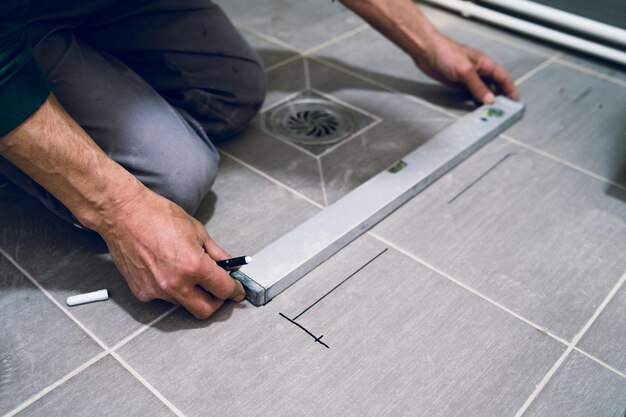
Some homeowners attempt bathroom floor tiling themselves to save money. A simple DIY guide can help you learn how to tile a bathroom floor, especially on smaller areas with easy-to-handle ceramic tiles.
The benefits of DIY tiling include lower labour costs and the satisfaction of completing the project yourself. However, bathroom floor tiling requires:
- Precise surface preparation and levelling.
- Proper waterproofing membranes.
- The right tools such as a tile cutter, tile spacers, and trowels.
Professional tilers have the expertise to handle larger bathrooms, complex layouts, and slippery or textured grout lines with precision. They avoid common mistakes and guarantee a uniform, durable finish.
Hiring a professional is especially worth considering for wet areas where waterproofing and slip resistance are critical to safety.
Cleaning and Maintenance Tips to Keep Bathroom Floor Tiles in Top Shape
Maintaining your bathroom tiles keeps grout lines fresh and prevents mould growth.
- Use a neutral pH cleaner to avoid damaging grout or tile finishes.
- For glazed and polished tiles, a soft mop or cloth will maintain shine.
- Textured or natural stone tiles benefit from gentle brushing to clean debris from grooves.
- Regularly seal grout to maintain water resistance and prevent stains.
- Ventilate your bathroom well to reduce moisture and encourage quicker drying after showers.
Consistent cleaning and maintenance preserve the appeal and longevity of your bathroom tile surfaces.
Conclusion
Bathroom floor tiling done right involves durability, waterproofing, slip safety, and style. Good tile material choice combined with professional surface preparation and expert tiling techniques protect your bathroom from water damage and create a lasting, beautiful space.
Professionals ensure correct tile edge finishing, level surfaces, uniform grout joints, and use specialised waterproof membranes. This results in a floor that looks flawless and handles everyday use with ease.
Investing in quality tiles and experienced tilers pays off by extending your renovation’s lifespan, reducing repairs, boosting your home’s value, and providing comfort and safety for your family.