
Tiling mistakes are one of the most common reasons homeowners face premature tile failure, cracked surfaces, and costly repairs after a renovation. From choosing the wrong tile material to poor grout application, small errors during installation can compromise the entire finish.
In this guide, we break down the 11 most common tiling mistakes, explain why they happen, and show you how to avoid each one. Whether you’re renovating a bathroom, kitchen, or any wet area, understanding these pitfalls will help you protect your investment and achieve a long-lasting, professional result.
Planning a tiling project?
Get free, no-obligation advice from our team of experienced tiling professionals.
01
Choosing the Wrong Tile for the Area
Not all tiles are suitable for every space. One of the most common mistakes homeowners make is selecting tiles based purely on aesthetics without considering durability, slip resistance, or moisture exposure. For example, certain wall tiles are not rated for use on floors, and decorative tiles without the right classification won’t hold up in wet areas like bathrooms or laundries.
Porcelain tiles designed for wet areas and high-traffic zones perform significantly better than standard ceramic. Choosing the wrong tile may look beautiful initially, but it often leads to cracking, breakage, and premature failure within months.
Always consider future repairs as well — selecting uncommon or limited-run tile designs can make matching replacement tiles extremely difficult. A professional installation always begins with choosing the right tile for the right space.
02
Poor Surface Preparation Before Laying Tiles
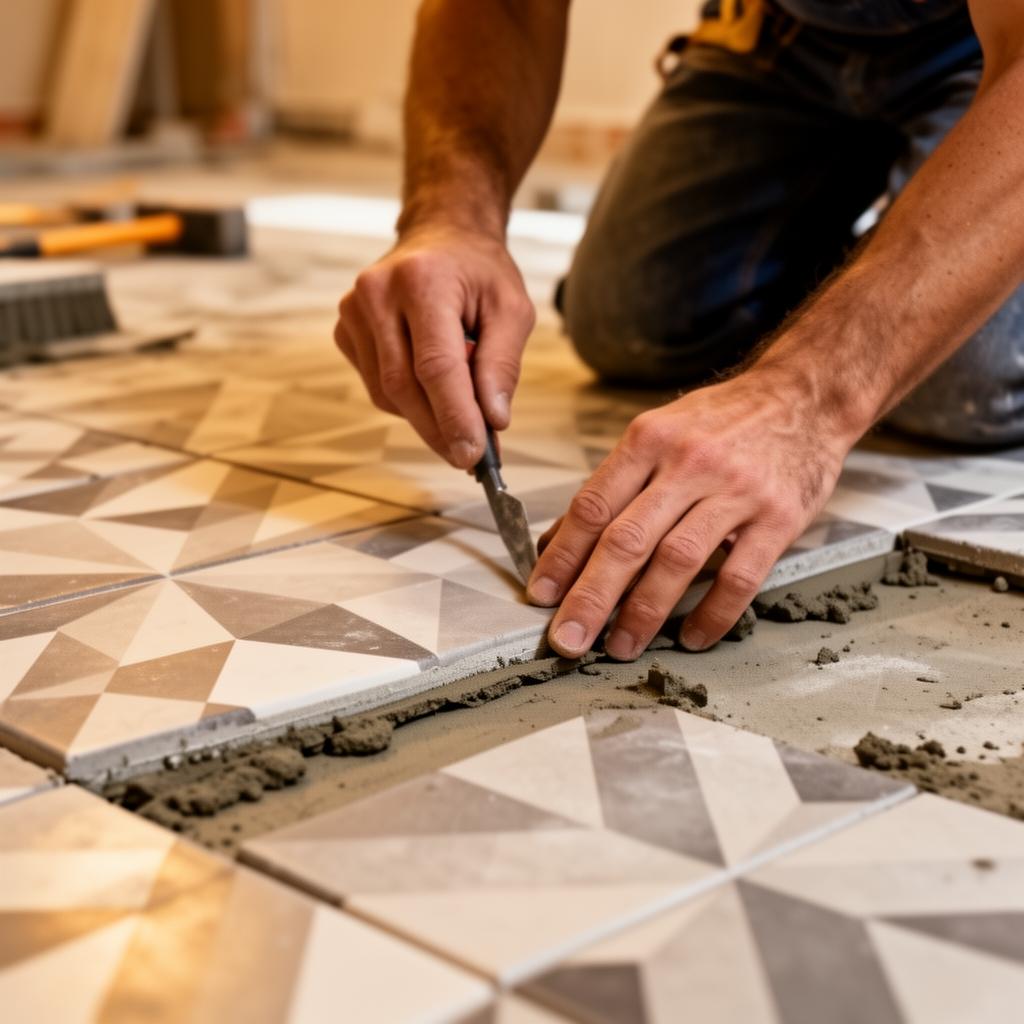
Skipping proper surface preparation is a costly mistake that can undermine even the most expensive tile. Uneven surfaces, dust, debris, or residual moisture beneath the tiles will cause loose tiles, uneven finishes, and long-term structural damage.
- Expert Insight
“We always recommend a self-levelling compound for any surface receiving large format porcelain. The investment is minimal compared to the cost of ripping up a failed installation.”
— James Richardson, Lead Installer, 22 years experience
03
Using the Wrong Adhesive for the Tile Type
Different tile materials require different adhesive formulations. Porcelain tiles, large format tiles, and natural stone all have specific adhesive requirements — typically a flexible, rapid-set adhesive with excellent grab, classified as C2 TE S1 or S2.
Using the wrong adhesive causes tiles to debond, leading to loose tiles or complete installation failure. In wet areas, improper adhesive selection allows moisture to penetrate beneath the tiles, dramatically increasing the risk of structural damage.
Tiles also expand and contract with temperature changes. The adhesive must be flexible enough to accommodate this movement — rigid adhesives on flexible substrates is a recipe for cracked tiles and costly rework.
Avoid costly mistakes — speak to our tiling experts
Whether you’re planning a bathroom renovation or a commercial fit-out, our team provides expert guidance at every stage
04
Incorrect Tile Spacing and Lack of Spacers
Without consistent spacing, tiles appear uneven, misaligned, and rushed. Proper spacing ensures clean grout lines and allows tiles to expand and contract naturally without creating pressure points.
Failing to use tile spacers results in inconsistent gaps, making grouting more difficult and less durable. Incorrect spacing can cause tiles to push against each other, leading to cracking and breakage — particularly with large format tiles that amplify even small inconsistencies.
05
Poor Grouting and Excess Grout Application
Grout issues are among the most visible tiling mistakes. Applying excess grout, choosing the wrong grout colour, or rushing the grouting process can ruin an otherwise well-installed surface.
Excess grout left on tile surfaces hardens and becomes extremely difficult to remove, dulling the finish of even premium tiles. In wet areas, poorly sealed grout absorbs moisture, leading to staining, mould growth, and deterioration over time.
Grouting isn’t just cosmetic — it plays a functional role in protecting the substrate beneath the tiles. Proper grout application with the correct product (such as epoxy grout in wet areas) ensures a long-lasting, hygienic installation.


- Quick Reference: Mistakes That Cost the Most
- Using standard adhesive for large format tiles (requires flexible C2 grade minimum)
- Skipping the primer — especially on anhydrite screeds or plywood substrates
- Back-buttering only one surface instead of both tile and substrate
- Grouting too soon before adhesive has fully cured (minimum 24 hours)
- No waterproofing membrane in wet areas — leads to leaks within months
- Buying the exact tile quantity with zero allowance for cuts and breakage
06
Ignoring Movement and Expansion Gaps
Tiles expand and contract due to temperature changes, structural movement, and moisture absorption. Without movement joints or expansion gaps, pressure builds beneath the surface, causing tiles to lift, crack, or separate from the adhesive entirely.
Movement joints — filled with flexible silicone rather than rigid grout — should be placed at every change of plane, every 8–10 metres on floors, and at all perimeters. Bathrooms, kitchens, and high-traffic zones are especially vulnerable. Neglecting expansion gaps is the leading cause of grout cracking and tile tenting.
"The difference between a good tile job and a great one is invisible — it's in the preparation you never see."
07
Incorrect Tile Layout and Alignment
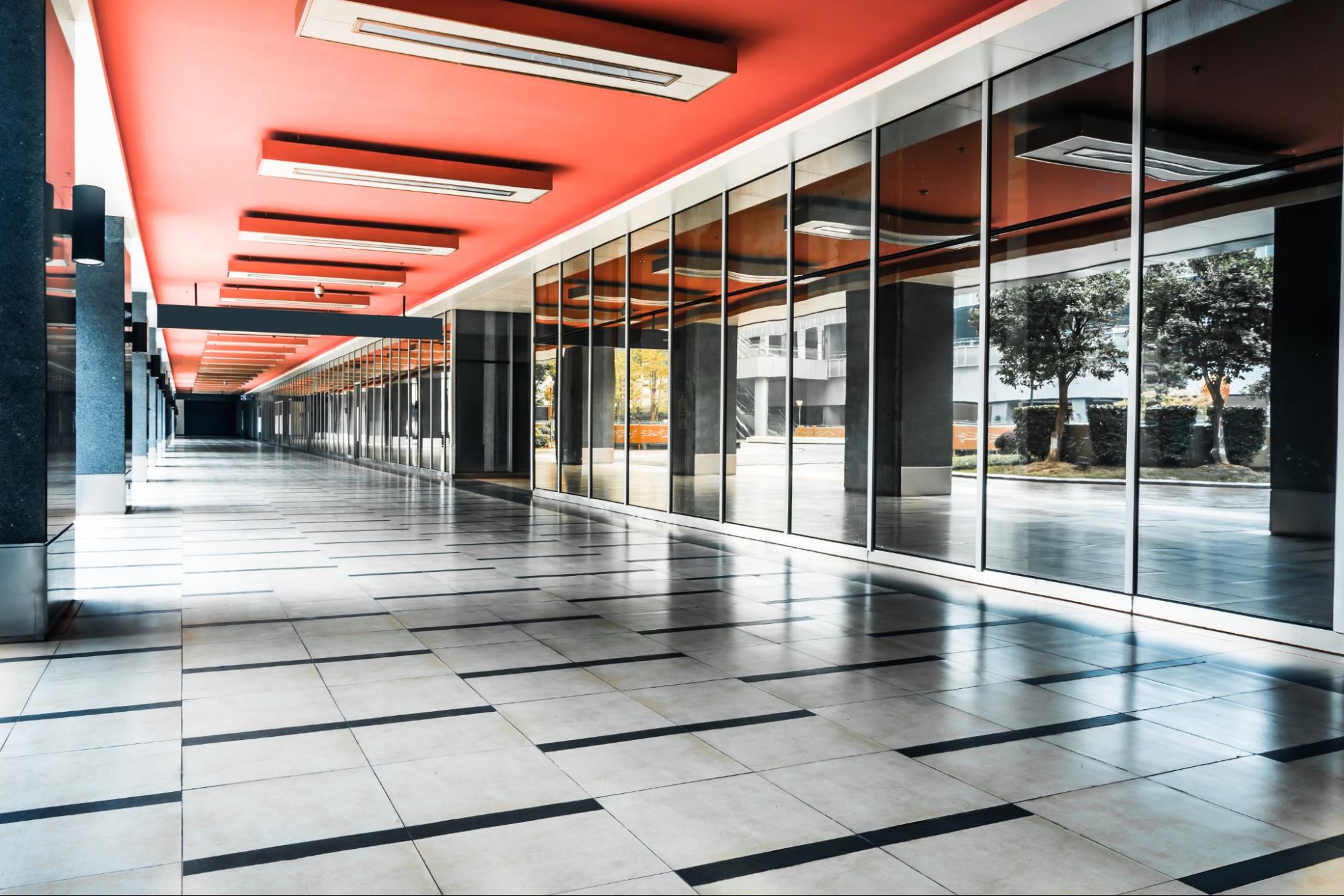
Poor planning of the tile layout leads to uneven cuts, awkward thin rows at edges, and misaligned horizontal and vertical lines. A poorly planned layout draws the eye to every imperfection, especially in visible areas like entryways and open-plan kitchens.
Professional tilers always measure, plan, and dry-lay tiles before committing to adhesive. Centring the layout and balancing cuts along opposite edges creates symmetry and visual harmony that distinguishes expert work from amateur installations.
08
Buying the Exact Number of Tiles
Buying exactly the number of tiles you need — with zero margin — is a mistake many homeowners regret. Tiles break during installation, require angled cuts, and can be damaged after installation. Wastage is unavoidable in any tiling project.