

Keeping your home free from leaks and water damage is one of the most important steps you can take to protect its value, comfort, and safety. The surfaces in your bathroom, kitchen, laundry, and even around windows, doors, and roofs are all exposed to moisture every single day. If these areas are not properly sealed, small gaps and joints can lead to big headaches down the track—from stubborn mould to structural water damage.
Silicone sealing and caulking offers a simple but powerful solution. Using the right caulk and high-quality sealant with attention to detail can help form a watertight seal that keeps water out, stops draughts, and makes spaces easier to clean and more attractive. In this comprehensive guide, you’ll learn why, where, and how to use silicone sealant, the difference between silicone sealant and caulk, and why calling professional silicone caulking services is a wise investment for every Sydney homeowner.
What is Silicone Sealing and Caulking, and Why is It Important?
Silicone sealing and caulking is a process where flexible, water-resistant sealants are applied to gaps, joints, and seams to prevent the entry of water, air, insects, or dirt. Silicone sealant is the most common choice, known for its excellent waterproof abilities and long-lasting adhesion. It sets, but always stays a bit flexible, adapting as the house moves with heat, cold, or vibration.
When you use silicone around baths, sinks, splashbacks, showers, tiles, and even around windows and doors, the sealant forms a highly adhesive, impenetrable barrier. It prevents water from finding its way into hidden spaces—behind the tub, under bathroom tiles, or between your kitchen benchtop and splashback. This keeps moisture out of places where it can cause damage or lead to mould and mildew.
Sealing doesn’t just block leaks. It also gives your surfaces a crisp, seamless edge, covering up uneven joints and making everything look neater. From a practical standpoint, caulking and sealing solutions are a cost-effective way to stop expensive water damage before it starts, ending up as a vital detail in any construction projects, renovations, or home maintenance plan.
When you reach for brands like selleys, sika, or other leading brands, you’re not just picking a household name—you’re choosing formulas proven for a wide range of applications, suitable for both residential and commercial buildings and respected across the industry.
Common Problem Areas for Silicone and Caulking in the Home
Some parts of the home need constant attention for sealing and caulking. In the bathroom, sealing around the tiles, bath, shower recess, and where the floor meets the wall is critical to keep water out. Every gap, joint, and corner here is a potential point for leaks, which can lift tiles, rot timber, and leave water stains on downstairs ceilings.
Kitchens present a different set of sealing needs. Sealing gaps around sinks and benchtops is vital to prevent splashes or drips from sneaking beneath your laminate or stone. Splashbacks, especially those made from glass, tile, or aluminium, need a seal that can handle heat and cold, water, and daily cleaning without wearing off or changing colour.
Laundry rooms have their own sealing headaches, as homeowners often miss the importance of silicone caulking and sealing services around washing machines, troughs, and drains. Spilled water or leaks from appliances can quickly make their way under floors and cabinetry.
Windows and doors, both indoor and outdoor, may let in water if not sealed from the outside. A properly applied caulk around windows will block rain from seeping into wall cavities, while silicone gaps around doors prevent draughts and pests as well as water ingress during heavy storms.
Benefits of Quality Silicone Sealing for Aesthetics and Durability
Applying quality silicone sealant gives your home an instant lift. A smooth, even bead of white or coloured silicone around tiles, splashbacks, and fixtures hides ugly gaps and unfinished joints, making surfaces look streamlined and clean.
From a durability perspective, good silicone sealing holds up against long-term wear—water, steam, everyday spills, and regular cleaning. Unlike conventional sealing that can peel or flake, a professional silicon seal will stay stuck, flexing as the floor or benchtop subtly shifts.
Another major perk is the prevention of cracks and surface staining. If caulk is missing, water can work its way under tiles, grout, or floors, causing adhesively attached elements to break free and stains or mould to form in hard-to-clean spots.
Quality workmanship in caulking adds beauty and strength to your bathroom, kitchen, or outdoor surfaces, combining function and style. Whether your home is high end or humble, leading brands such as selleys and sika ensure a durable, long-lasting result suitable for a wide range of indoor and outdoor applications.
How Often Should You Inspect and Replace Silicone Seals?
Most experts recommend inspecting silicone and caulking every 12 to 24 months—more frequently in high-moisture areas like bathrooms, showers, and laundry floors, or in the kitchen if you notice water isn’t draining away properly. Keeping an eye on key spots is part of smart preventive maintenance.
Telltale signs your seals need attention include peeling, cracking, lifting, dark discoloration (often due to mould and age), or a sticky, soft texture that doesn’t bounce back when pressed. If your sealant is loose, missing, or allows water underneath, it’s time to replace it immediately.
Several factors affect the lifespan between reseals. High humidity, aggressive cleaning products, harsh UV exposure, frequent floor movement, or old adhesive residues beneath the seal all impact how long your silicone performs. Even the best silicone sealants for waterproofing will eventually deteriorate if not maintained.
If you’re not sure when silicone sealing and caulking were last done, or you’ve had leaks or minor water damage, schedule a professional inspection. This small step can save thousands in remedial caulking and repairs later on.
How Sealing Improves the Life of Tiles, Benchtops, and Fixtures
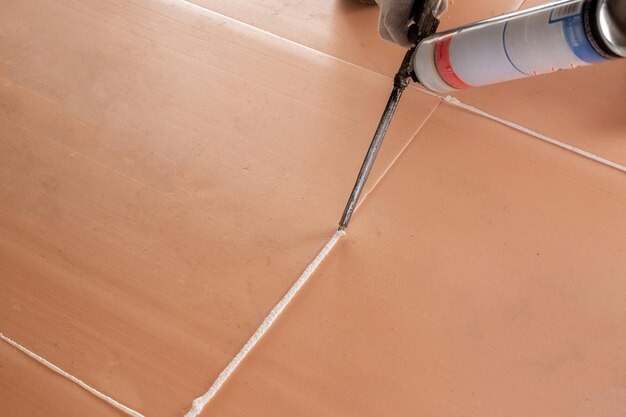
Water and moisture are the key threats to tile, grout, adhesive, and most structural finishes in kitchen and bathroom surfaces. Unsealed gaps provide an open highway for moisture to seep into subfloors, behind the tiles, or into timber and laminate.
Proper sealing stops water from getting beneath the surface, which in turn protects the adhesive bonds that anchor tiles, benchtops, and splashbacks. This keeps the installation solid and delays costly repairs from loose tiles or damaged timber.
Sealing also extends the life of grout, which is much more porous than silicone. With caulk acting as the buffer at all joins and changes of material, the finish stays cleaner and fresher, reducing staining and mould growth.
A well-maintained seal makes it easier for homeowners to clean around the kitchen, bathroom, or laundry fixtures and enhances the lifespan of everything from a small tile to a custom benchtop installation.
How Proper Silicone Sealing Prevents Water Damage and Mould
Stopping water leaks before they begin is the number-one defence against major damage at home. When you use silicone and caulking to fill every gap and joint, you block water from finding hidden paths into wall cavities, beneath floors, or into cabinetry.
Continuous water seepage that is not immediately visible is the cause of most mould, warped timbers, and structural damage. By creating a watertight seal in shower areas, splash zones, and around wet room edges, silicone sealant acts as a shield, keeping all moisture on the easy-to-clean surface side, not hidden out of sight.
A waterproof seal is essential not just for home comfort and avoiding unsightly stains, but also for health. Mould can cause respiratory problems, especially for young kids, seniors, or those with asthma.
Making sure your bathroom, kitchen, or outdoor areas are fully sealed with the best silicone caulks protects both your family and your finances.
Silicone vs. Acrylic Caulk: Which Should You Use?
While both silicone and acrylic caulk are used for sealing, they have some key differences. Silicone sealant is known for its superior flexibility, waterproofing, and strong adhesion, making it the first choice for wet areas, kitchens, bathrooms, and anywhere lasting water resistance is required.
Acrylic caulk, on the other hand, is more rigid and easier to paint over, but it isn’t fully waterproof. It is better suited for dry areas around the home—between walls, gaps in timber joinery, or small cracks where movement is minimal.
If you need a sealant for a surface exposed to heat, steam, or splashes, like a bathroom, kitchen benchtop, or around laundry tubs, always use silicone. It resists heat and cold, cleaning chemicals, and stretching without losing the seal.
For a smooth, professional finish that lasts, refer to the manufacturer’s guide on the type of silicone or caulk for your particular sealing needs. Good brands include Selleys, Sika, and other specialised caulking companies.
Choosing the Right Sealant for Wet and Dry Areas in Your Home
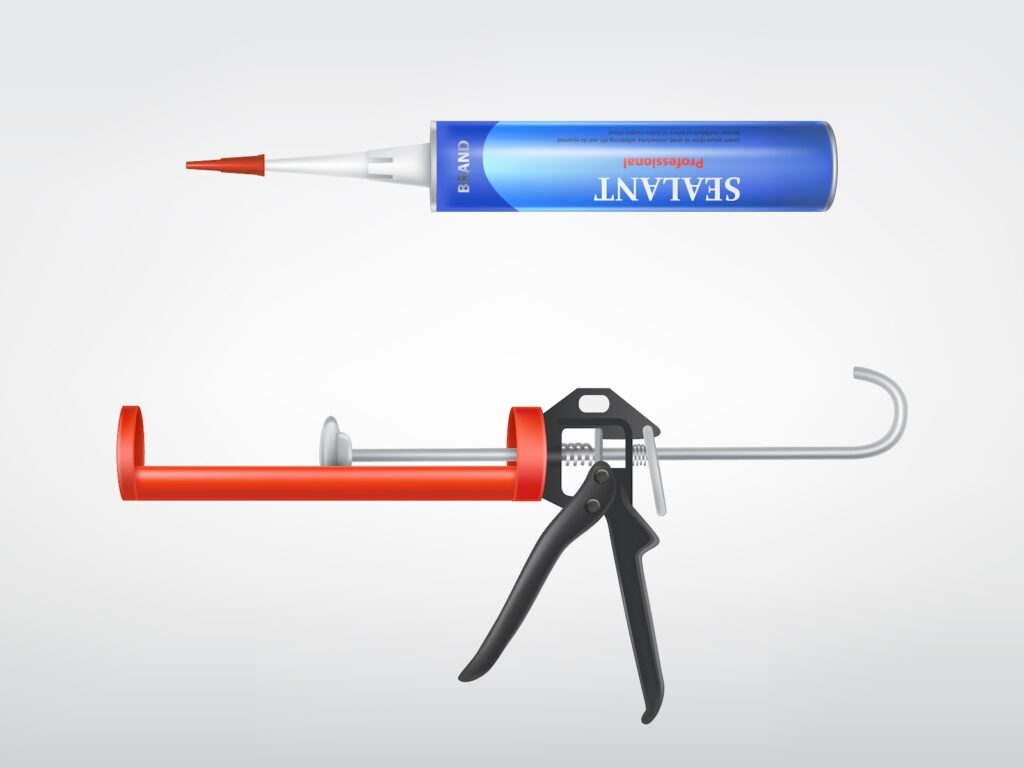
The best silicone sealants for waterproofing are those manufactured for constant water exposure—look on the label for “kitchen and bathroom,” “roof and gutter silicone,” or “outdoor silicone sealing service” markers. These silicone caulks are formulated with strong adhesion and fungus resistance, making them ideal for sealing around baths, sinks, showers, and even tiles or splashbacks.
Floors and windows require sealants that remain flexible even with joint movement and variations in temperature. High-end home builds or luxury renovations may use specific colour-matched brands like Selleys to complement painted surfaces, anodise aluminium, or even zinc, PVC, glass, or fibreglass.
For outdoor use, always choose products labelled suitable for a wide range of climates, such as Colorbond® or galvanised coated surfaces, ensuring adherence during heat, cold, wind, and wet.
Consult trusted local professionals if you’re not sure which sealant is suitable for your unique floor, tile, or benchtop project. The right caulk or silicone ensures a seamless finish and a lasting result.
Signs Your Home Needs Resealing with Professional Silicone and Caulking Services
If you notice cracked, loose, or peeling sealant around tiles, baths, splashbacks, or kitchen sinks, this is a clear signal seals have failed and water may be sneaking through. Water stains, bubbling paint, or damp patches near tiled areas or under benchtops are signs that the waterproof barrier is no longer working.
Mould growth next to bathroom tiles, along joints, or at the edges of sinks and tubs is another warning sign that existing caulk lines are not stopping water or are past their use-by date. Watch for discoloured, stained, or sticky caulk lines. A healthy, fresh bead should be smooth, shiny, and free from gaps.
Whenever you spot these issues, arrange a professional inspection. The sooner remedial caulking is performed, the less likely it is you’ll need to repair or renovate bathroom surfaces, tiles, or even structural timber.
Professional vs. DIY Silicone Sealing: When to Call an Expert
While many handy homeowners attempt caulking and sealing themselves, there are clear benefits to using professional silicone caulking services. Professionals use high-quality products, including renowned brands, and have the right tools and steady hands for a neat, flawless finish.
Complex situations, such as failed seals under tiles, cracked grout lines, or water leaks in hard-to-reach places, call for an expert touch. Remedial caulking should never be rushed; attention to detail is crucial for ensuring a durable, impenetrable seal.
DIY mistakes often include using the wrong type of sealant, poor surface preparation, or creating messy, uneven caulk lines. A professional will ensure surfaces are perfectly clean, use the best adhesives, and apply even, colour-matched beads for both practicality and looks.
For complete peace of mind, call in the professionals for your bathroom, kitchen, or outdoor caulking projects. Properly applied silicone and caulking ensures your home is truly watertight.
Common Sealing Mistakes and How to Avoid Them
A major mistake is using an acrylic caulk or standard filler in high-moisture areas instead of waterproof silicone. Using the wrong product can lead to shrinking, cracking, and failed seals soon after application.
Skipping thorough cleaning and degreasing of the surface before sealing is another common error. Loose dust, soap, or old adhesive prevents the sealant from sticking and forming a strong joint, leading to leaks over time.
Over-applying or under-applying silicone is also frequent—too much and it makes a mess, too little and the gap isn’t covered, leaving you with continued water risks.
Some homeowners seal over cracked grout or failed adhesive without checking the underlying joint. This can mask deeper issues that will cause problems later—always address grout and adhesive issues before silicone sealing.
You’ll achieve quality workmanship by following these steps carefully and by seeking help from professionals who specialise in caulking and sealing solutions for all sealing needs.
The Process Professionals Follow for a Perfect Seal Finish
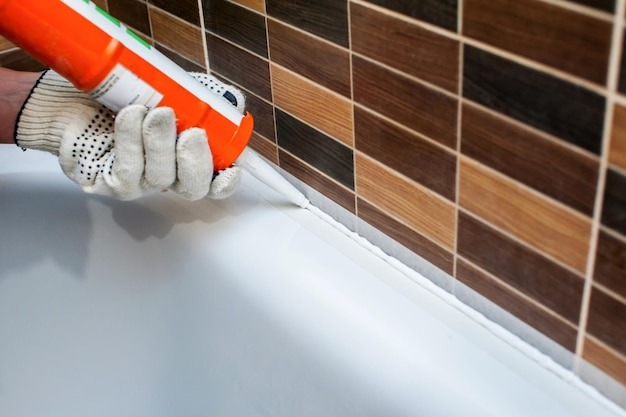
Professionals take a step-by-step approach to guarantee a perfect seal. First, the target surface is cleaned and dried thoroughly to remove all old adhesive, grease, or dust. This preparation is vital for strong adhesion between the sealant and the surface.
Next, they select the best type of silicone for the application—bathroom, kitchen, outdoor silicone sealing service, or even roof and gutter silicone if needed. Carefully, the contractor applies the bead of silicone or caulk evenly, ensuring every gap is filled and there are no thin spots or bumps.
With the right tools, such as caulk smoothing tools, they shape the bead for a seamless and attractive finish, often matching the colour to surrounding grout or tiles. Attention to detail at every step sets professionals apart.
Finally, the completed job is inspected for any gaps, overflows, or missed areas. The result is a uniform, durable, and truly waterproof seal or caulk line, ready to handle heat, cold, cleaning, and the rigours of high-use, wet rooms.
Contact Decore Tiling for Professional Silicone Caulking and Sealing Services
Decore Tiling is your expert team for all things caulking and sealing in Sydney. We specialise in silicone caulking and sealing services for bathrooms, kitchens, laundries, floors, windows, outdoor surfaces, and commercial settings. We use the best silicone sealants for waterproofing to ensure a durable result.
Our other services include remedial caulking for failed or damaged seals, outdoor silicone sealing service for weatherproof areas, and seamless solutions for critical wet and dry spaces in residential and commercial buildings. We match products to the specific surface—tile, timber, laminate, anodise, fibre, or colour—ensuring maximum performance.
Choose Decore Tiling for service and quality you can rely on. Contact us for a free inspection or quote. With our professionalism and attention to detail, we guarantee quality workmanship and an end result that lasts. Let us help keep your home or business safe from leaks and water damage, inside and out.
Conclusion
Water damage can sneak up fast, but stoppable leaks are no match for properly applied silicone sealing and caulking. Whether you’re renovating, maintaining, or upgrading a high end home or business, attention to detail in caulking and sealing makes all the difference for water resistance, durability, and safety.
Professional silicone caulking services safeguard your property by providing a seamless, watertight barrier that resists heat, cold, cleaning, and time. Regular inspection and timely replacement mean you’ll avoid costly repairs and keep your kitchen, bathroom, and laundry looking their best.
Protect your investment with the best—talk to a trusted local expert in caulking and sealing solutions, keep your home or business dry, and enjoy lasting peace of mind.