

Tiles have the potential to transform any home when chosen and installed correctly. Whether it’s the shimmering surface of a kitchen splashback or the steady confidence of a bathroom floor, achieving a perfect wall and floor tiling finish is one of the best ways to elevate your property’s style and durability. A quality tile finish isn’t just about looking good—professional tiling provides long-term resistance to wear and makes day-to-day living easier and more comfortable.
Throughout your home, from high-traffic living areas to decorative feature walls in the bathroom, the right tile material and installation method make all the difference. This comprehensive guide to wall and floor tiling will help you understand the essentials for selecting materials, preparing surfaces, choosing finishes, and achieving flawless results. Let’s explore the techniques, tile types, and tricks that can turn your next tiling project into a stunning success.
Why a Quality Wall and Floor Tiling Finish Matters in Home Improvement
A perfect wall and floor tiling finish is more than just a cosmetic upgrade—it’s a critical step for home improvement. Professionally finished tiles can dramatically transform your home’s style, creating a modern, sleek kitchen or a calming, easy-to-clean bathroom. The ideal installed tile finish gives visual harmony, with tight tile lines, neat grout, and smooth tile edges, all blending for a high-end look.
Flawless tile work isn’t only about appearances. The durability of your floor tiles and wall tiles will depend on how well they are installed. Loose, uneven, or poorly cut tiles could lead to cracks or dangerous tripping hazards. When tiles meet securely with precise edges and even grout, you reduce the risk of water getting under the tile surface, which can cause damage and expensive repairs.
A high-quality finish is especially important in wet areas like bathrooms and kitchens. Because these rooms are prone to moisture, a perfect tile finish prevents water from seeping behind the tiles and damaging the substrate. It also stops mould and deters stains, keeping surfaces both hygienic and attractive for years.
If you’re planning a renovation, ensuring that every tile is properly set, sealed, and supported by the right adhesives will have long-lasting benefits. Tiles are an excellent choice for not only their look but also their strength—provided you achieve a professional, flawless installation.
How a Perfect Wall and Floor Tile Finish Can Boost Property Value
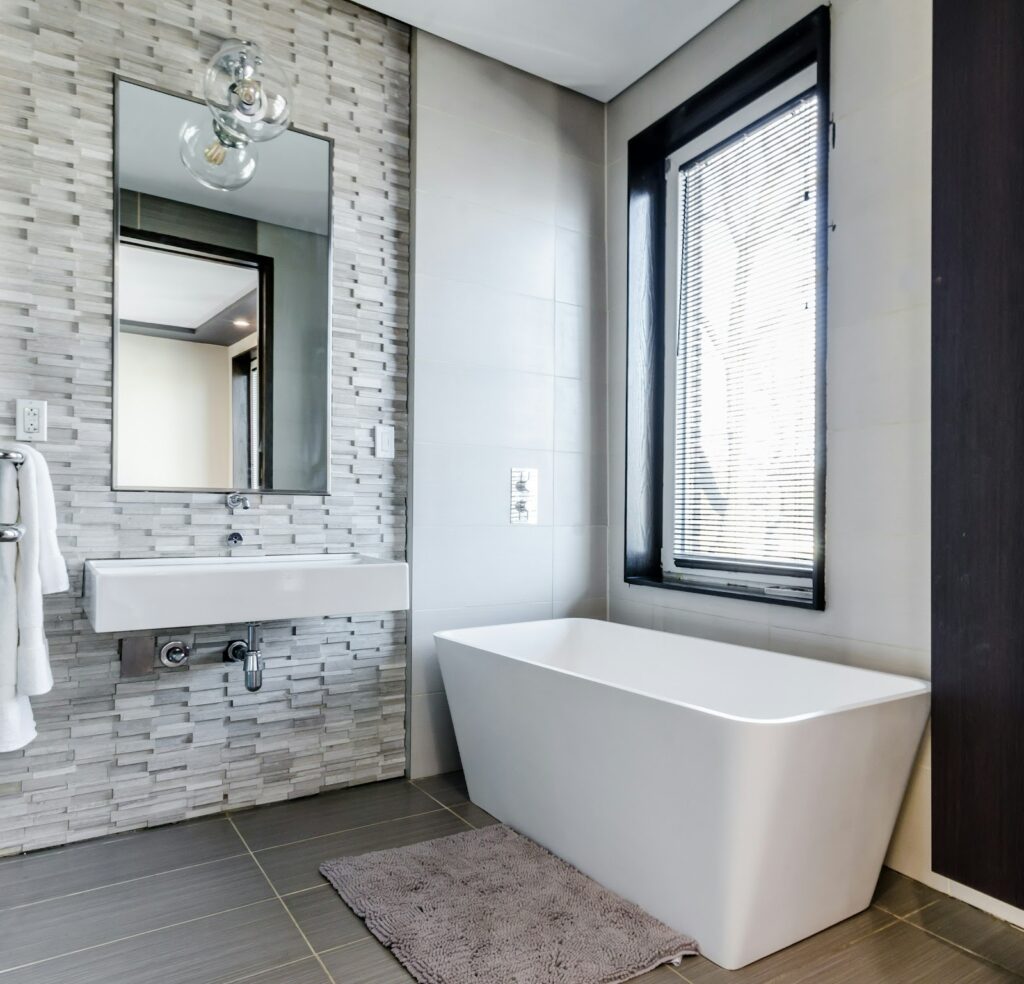
If you ask real estate agents and property valuers, they’ll tell you that quality floor and wall tiles make a strong first impression. New floor tiles with a modern tile finish elevate your home’s interiors, signalling attention to detail and premium craftsmanship. Buyers and tenants appreciate not just the style but also the peace of mind that comes with a durable, low-maintenance tiled floor.
A perfect finish isn’t just about sparkling looks—it’s about robust materials and installation. Porcelain tiles and ceramic tiles are known for their longevity, and when installed by skilled professionals, they maintain their appearance and structure over many years. This long-term durability becomes a compelling selling point, particularly in bathrooms, kitchens, and high-traffic living areas where other flooring might deteriorate.
Older homes can benefit greatly from modern tiles and finishes. Using the latest materials and a crisp tile line can instantly update tired interiors, creating a fresh and elegant look without the need for major building works. New wall tiles in the kitchen, a glossy feature wall in the bathroom, or polished porcelain tiles in the living area will all play into your home’s overall appeal.
Investing in premium materials and maintaining a flawless finish signals to buyers and visitors that your property is well cared for. Tiles come in a range of colours, styles, and finishes to suit any renovation goal, giving you an edge in the Sydney property market.
Choosing the Right Wall Tile and Floor Tile Material for Your Renovation
It’s essential to choose the right tile for every surface, as not all tiles are created equal. Wall tiles and floor tiles have different requirements because the floor handles more weight and wear and tear and must be safe underfoot, especially in wet areas like bathrooms and kitchens.
- Floor tiles: These need slip resistance, impact strength, and the ability to bear heavy loads without cracking. Tiles for your bathroom floor are often thicker and may feature textured tiles or matte tiles to prevent slipping.
- Wall tiles: These can be thinner and lighter, as they won’t bear the same loads. However, weight is a key factor—the wall structure must support the weight of large-format or natural stone wall tiles.
- Porcelain tiles: These are versatile enough for both floors and walls because they are very dense and durable, with excellent resistance to moisture.
- Ceramic tiles: While also popular, ceramic tiles are lighter and have a slightly softer finish.
- Natural stone: These add elegance and luxury but may require sealing and more care.
When planning your tiling project, always consider the specific area’s requirements. Kitchen floors are susceptible to spills, so easy-to-clean, slip-resistant porcelain or ceramic tile is ideal. Shower walls call for water-resistant materials that are easy to maintain and suitable for grout and tile edge trims.
Choosing the right tile for your application is about getting the best performance and the long-lasting tile finish you want throughout your home.
Types of Tile Finishes for Walls and Floors
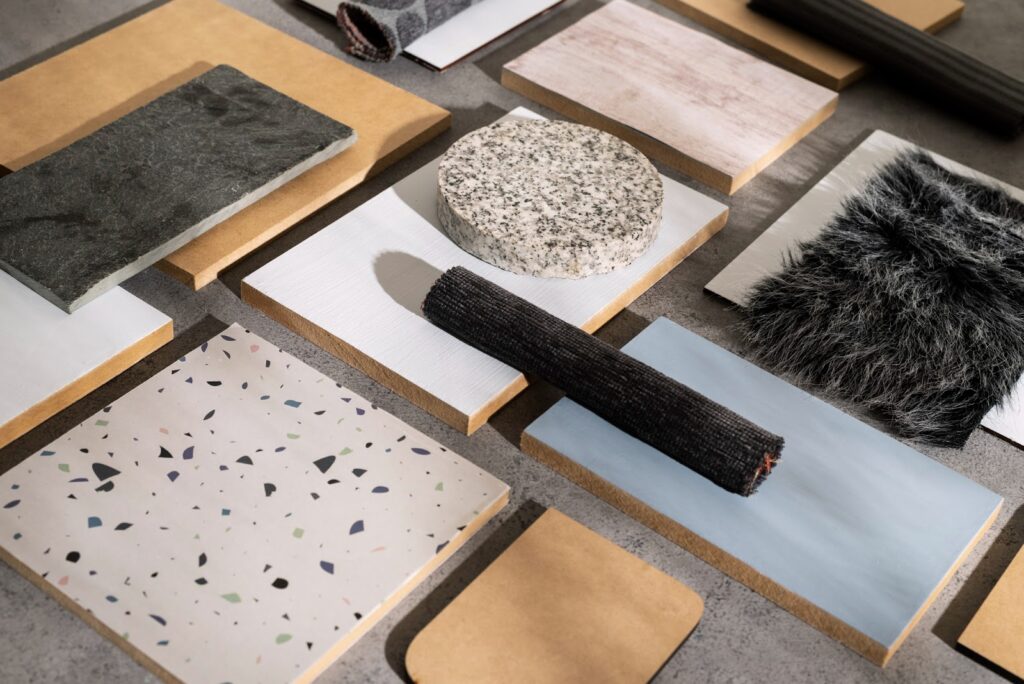
There are several types of tile finishes, each providing a different look, feel, and maintenance requirement for your tiling project. The finish you pick will define not just the tile’s appearance in your space, but also how easy it is to clean and maintain.
Glazed Tiles
Glazed tiles are ceramic or porcelain tiles that have a glass-like coating applied before firing. This glaze can provide either a gloss finish or a matte finish and protects the underlying tile material from stains, water, and wear.
These tiles are very popular because they are easy to clean and resist stains and water. The wide range of colours and decorative effects makes glazed tiles suitable for bathroom walls, kitchen splashbacks, and even some floors in living areas. Glazed finish tiles reflect light beautifully, which makes rooms look larger and more vibrant.
While glazed tiles can be used on floors, especially in low-traffic areas, it’s wise to choose a tile with adequate slip resistance for wet areas. The glossy finish might become slippery when wet, so matt and anti-slip alternatives are better suited for bathroom and laundry floors.
Unglazed Tiles
Unglazed tiles, including unglazed porcelain tiles, have no glassy coating. Their colour and pattern run right through the body of the tile, making them highly resistant to wear and chipping—a big advantage for floors and commercial spaces.
Unglazed tiles feature a more natural, earthy look. They offer superior slip resistance, especially when textured, which is why you often find them in high-traffic indoor or outdoor areas, on a bathroom floor, or near entryways.
Because unglazed tiles are more porous, they need to be sealed during and after installation to keep stains and water from penetrating the tile surface. Regular maintenance sealing is often required to preserve their look and durability.
Lappato Tiles
Lappato tiles fall between a gloss and a matte finish. The term “lappato” means “semi-polished,” giving these tiles a soft sheen without the high reflection of polished porcelain tile or glazed tiles.
A lappato finish gives tiles a subtle, sophisticated look that works well in modern living and wet areas. This softer finish is suitable for areas where you want light to play off the tiles without a slippery or highly glossy surface.
Lappato tiles are easy to clean and maintain, making them an excellent choice for families and busy homes. They are particularly popular for large-format tiles in open-plan living areas and bathrooms where a contemporary, understated tile finish is desired.
Polished Finish
Polished tiles and polished porcelain are ground and buffed until the surface shines with high reflectivity. This option is chosen for its luxurious appearance and smooth texture, often seen in high-end bathrooms, entrance halls, and living areas.
Because polished finish tiles reflect a lot of light, they make spaces seem larger and brighter. However, the surface can be slippery when wet and may require more careful maintenance to avoid visible scratches or streaks.
Polished porcelain tiles are dense and durable, but it’s important to keep their surfaces clean, as finer dirt or sand can dull the glossy finish. These tiles are not ideal for wet areas without anti-slip treatment.
Textured Tiles
Textured tiles, including many types of ceramic tile, porcelain, and natural stone, are designed with a three-dimensional surface. This provides extra grip in wet or outdoor areas and offers the best slip resistance, making them perfect for bathroom floors or alfresco dining areas.
Aside from safety, textured tiles bring a unique, tactile element to your interior design. They can simulate the look of stone, timber, or even fabric and add character to feature wall installations and living areas.
They are somewhat more challenging to clean than polished or glazed finishes—using a soft brush and gentle cleaners prevents grime from building up in textured crevices.
Preparing Surfaces for a Long-Lasting Tile Finish
Surface preparation is one of the most critical stages for a flawless finish in any tiling project. Before installing any wall or floor tile, surfaces must be perfectly flat, stable, and clean for the tile adhesive to bond correctly.
Professionals use levelling compounds to even out subfloors, patch holes, and create a sturdy foundation for tiles. Every tile surface is swept and dusted so adhesives aren’t weakened by dirt or debris. Any old adhesive or previous tile finish is completely removed.
Special attention is needed in bathrooms, kitchens, and other wet areas. Walls and floors here must be waterproofed to prevent hidden leaks causing water damage behind the tiles. A membrane or waterproofing system is applied before any tile work starts, especially in shower wall zones or laundry nooks.
If these steps are skipped or done poorly, you risk loose or cracked tiles, poor tile adhesion, and expensive repairs down the line. A good surface preparation routine is the key to making sure your tiles last as long as you want them to.
Mixing Tile Materials, Patterns, and Colours for a Unique Finish
Blending different tile types, patterns, and colours can take a renovation from ordinary to outstanding. Mosaic tiles paired with larger porcelain or ceramic tiles offer eye-catching feature walls or decorative bands around a bathroom.
Natural stone tiles can be used as a focal point—creating a feature wall behind a bath or as a statement floor in a living space. These materials add depth and luxury, breaking up the monotony of a single kind of tile across large surfaces.
To elevate your home’s visual appeal, consider the following:
- Mix formats: Combine subway tiles with patterned mosaic in the bathroom, or use matte tiles alongside polished finish for visual interest.
- Play with colour: Contrasting colours between wall and floor tiles make each area stand out and can help define open-plan spaces.
- Use accents: A row of decorative tiles or a strip of lappato finish tile can provide subtle highlights to a kitchen splashback or shower wall.
Always begin with a clear tile layout plan, so every cut tile or tile join is in the right spot. This approach gives you a finish that’s unique to your home and tailored exactly to your personal taste.
Professional Installation Techniques for a Durable Wall and Floor Tiling Finish
Getting a durable wall and floor tiling finish often comes down to skilled installation techniques. One key aspect is the way professionals handle tile edge finishing. They use tiling trim to conceal raw tile edges for a seamless transition between tiles and other surfaces—or between tiles of different heights—making the job look well-planned and sophisticated.
Correct grout application is another hallmark of professional tiling. By using uniform grout joints and consistent widths, installers achieve both structural strength and a pleasing tile line across the entire space.
Choosing the best adhesive for each type of tile is crucial. Porcelain, ceramic, natural stone, and glass mosaic all require different adhesive formulas, and using the wrong one will cause tiles to shift, warp, or break over time.
Professionals take care to keep the tile surface level, using tile spacers and a tile cutter for clean, accurate edges. Each tile is checked and adjusted, ensuring the layout lines remain straight and consistent from floor to wall and corner to corner.
Benefits of Professional Wall and Floor Tiling in Kitchens, Bathrooms, and Living Areas
Opting for professional tiling brings you advantages at every stage. Professionals are experienced in working with all types of tile materials and finishes, from delicate mosaic tiles and textured tiles to heavy-duty porcelain or natural stone.
Expert installers complete projects efficiently. They have the knowledge, tools, and technique that ensure every tile is cut, placed, and fixed correctly. Compared to DIY results, this means fewer problems such as lippage, warped tiles, or mismatched patterns.
Professional tile work impacts both looks and long-term durability. Installers know the best products for every scenario, whether for adhesion, waterproofing, sealing, or cleaning polished porcelain. The end result is a home where wall and floor tiles look consistent, fresh, and ready for years of everyday use.
Hiring a pro helps avoid costly repairs and add real value to your home.
Common Wall and Floor Tiling Problems and How to Avoid Them
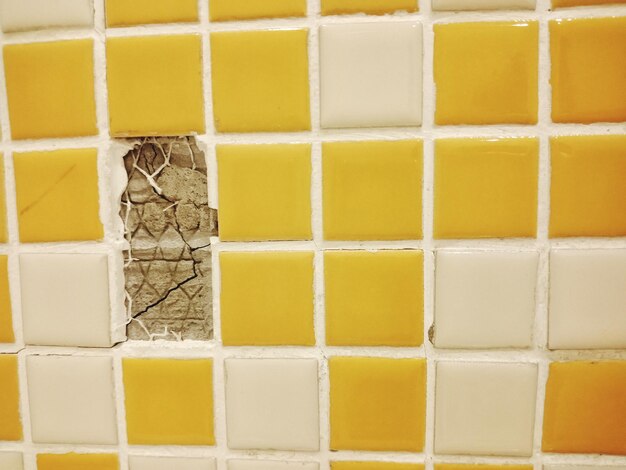
A few frequent mistakes can spoil the finish of your tiling renovation. Uneven tile finishes or visible lippage, where tile edges are not flush with each other, often happen when surfaces aren’t prepared or levelled correctly.
Loose or cracked tiles can result from poor tile adhesion, either due to cheap adhesives, incorrect mixing, or installing tiles on a dirty or unstable surface. Wet areas like bathroom floors and kitchens are vulnerable to water penetration if sealing is not done properly across every joint and edge.
Avoiding mismatched patterns or colours requires careful planning of the tile layout before starting. Double-check that the tile types and finishes chosen are all compatible—matte and polished tile, unglazed tiles, and glazed tiles require different cleaning and maintenance routines.
Avoid these issues by hiring a qualified tiler, following best practices, and taking the time to plan your tiling project from start to flawless finish.
Cleaning and Maintenance Tips for a Lasting Tile Finish
Once your new tiles are installed, a little routine maintenance ensures they stay looking their best. Here are some simple ways to protect your tile finish:
- Glazed tiles and lappato finish: Wipe down regularly with a soft, damp cleaner and dry to a shine. This keeps the gloss finish free of streaks.
- Textured tiles and natural stone: Use a soft brush and mild detergent to avoid embedding dirt in grooves or pores. Always reseal natural stone every 1–2 years.
- Polished finish: Avoid acidic or abrasive cleaners that can scratch the glossy surface. Clean spills straight away and mop regularly with a soft cleaner to maintain that sparkly look.
- Grout and wet areas: Prevent mould by cleaning grout lines often and keeping the area dry. Apply grout sealer as necessary to protect against stains and moisture. Use a bathroom exhaust fan to reduce humidity in shower wall areas and bathroom floors.
A proper cleaning and care routine will preserve both the beauty and the hygiene of your tile work for years to come.
Conclusion
Quality tiles and a professional wall and floor tiling finish make any space beautiful, practical, and valuable. From choosing the right tile material, finish, and colour to preparing the surface, mixing patterns, and ensuring a flawless tile edge and grout, each step counts towards the long-term look and function of your home.
Professional installation secures lasting results and lets every tile shine—no matter if it’s a feature wall of mosaic tiles, robust porcelain for the kitchen floor, or a decorative strip in the living space. Invest in the right products, techniques, and experienced hands, and your renovation will deliver years of comfort, style, and value.